The 'Dead Zone': Why Your Hedge Turned Brown After Pruning and How to Save It

The Dilemma
A homeowner recently asked:
I trimmed my hedges way too far back and now they look like dead sticks. Can they be saved with mulch or fertilizer, or did I just kill them?
The GardenOwl Diagnosis
The Assessment
We’ve all been there. You grab the hedge trimmers, get into a rhythm, and suddenly you realize you’ve gone too deep. The resulting damage severely harms your curb appeal and highlights how common The Meatball Syndrome is. The user who sent this in asked the classic panic question: 'Trimmed my hedges too far back, can it be saved? Should I add mulch or fertiliser?'
Looking at the photo, I can see the hose running, which tells me the homeowner is trying to water the problem away. Unfortunately, water can’t fix a bad haircut, and in this case, neither can fertilizer.
The Trap: Welcome to the "Dead Zone"
This is a textbook case of cutting into the "dead zone." Most dense hedging plants—especially Boxwoods (Buxus)—grow like an onion. They have a thin shell of green leaves on the outside where the sunlight hits, but the interior is nothing but bare, woody sticks.
Because the outer leaves block all the sun, the plant stops wasting energy growing foliage in the center. When you shear off that outer green shell, you expose the wood that hasn't seen the sun in years.
Here is the hard truth: Some plants can recover from this, and some can't.
The Solution (Deep Dive)
If you are staring at a brown skeleton of a shrub, put down the fertilizer bag and follow this triage protocol.
1. Identify Your Victim
Recovery depends entirely on the species.
- Yews and Hollies: If this were a Yew (Taxus) or a Holly (Ilex), I’d tell you to relax. These plants have latent buds deep in the old wood that will sprout new green growth if exposed to light.
- Boxwoods and Junipers: Looking at the leaf shape in the photo, this looks like a Boxwood. Boxwoods (and most conifers like Juniper/Arborvitae) generally do not break new growth from old, bare wood. If a branch is stripped of all green needles or leaves, that branch is usually done for.
2. Do NOT Fertilize (Yet)
The user asked about adding fertilizer. Don't do it.
When a plant is stressed, forcing it to grow fast with a hit of synthetic nitrogen is like handing a double espresso to someone having a panic attack. It burns them out. High-nitrogen fertilizers push soft, sappy growth that the stressed root system cannot support. You want the plant to focus on stabilizing, not sprinting.
3. Mulch, Don't Drown
I see the hose in the photo. I advise on plant rehabs constantly, and the number one killer of stressed plants isn't the pruning—it's root rot from panic-watering.
The plant has fewer leaves now, which means it is transpiring (sweating) less water. If you keep watering it like it has a full canopy, the roots will sit in mud and rot.
- The Fix: Apply a 2-inch layer of organic compost or shredded bark mulch around the base. This keeps the roots cool and regulates moisture.
- The Check: Stick your finger into the soil up to the second knuckle. If it’s damp, do not water.
If you notice leaves yellowing elsewhere in the garden, it’s often a sign of water stress or nutrient lockout, similar to what we discuss in our guide on why tree leaves turn yellow.
4. The "Batter" Cut
If this hedge survives, you need to change how you prune. Notice how the hedge in the photo is vertical or maybe even slightly top-heavy?
A proper hedge should be cut in a trapezoid shape (wider at the bottom, narrower at the top). This is called a "batter." It allows sunlight to hit the bottom branches so they stay green. If you shade out your own bottom branches, you end up with "leggy" plants that are only green on the top 6 inches.
For tight spaces, this technique is critical. We talk about managing vertical growth in narrow areas in our article on planting a tall hedge in a 2-foot strip.
Tools & materials for this repair
Three practical items that can make this repair easier.
Buy locally: Shredded bark mulch and any replacement shrubs are better sourced locally.
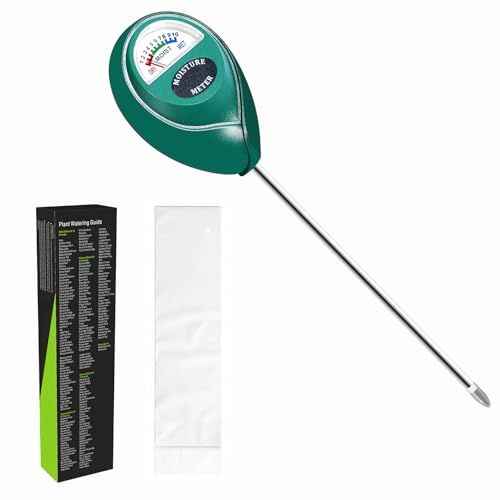
XLUX Soil Moisture Meter (Since 2015) - No Batteries Required, Durable 304 Stainless Steel Probe & Virgin ABS - Instant Read Hygrometer for Garden, Indoor & Outdoor Plants (Upgraded Design)
A simple probe for checking root-zone moisture before watering.
Why it helps: Shows whether the roots are actually dry before you add more water.
View on Amazon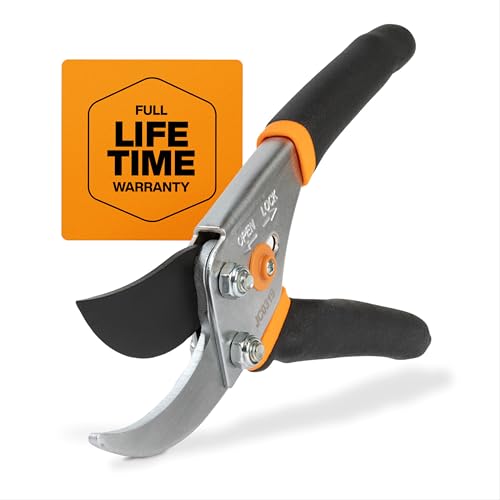
Fiskars Bypass Pruning Shears, 5/8" Cut Capacity Gardening Scissors, Self-Cleaning Sap Groove Prevents Sticking, Non-Slip Grip for Cutting Stems & Branches, Sharp Steel Blades w/ Low-Friction Coating
A precise hand pruner for selective cleanup after branches are confirmed dead.
Why it helps: Lets you remove individual dead twigs without disturbing healthy recovery growth.
View on Amazon
GARTOL 23-Inch Hedge Shears, Manual Garden Clippers with 9" High Carbon Steel Wavy Blade, Heavy Duty Bush Trimmers with Shock-Absorbing Bumpers & Adjustable Tension, Easy-Grip Handles
Controlled manual shears for maintaining a tapered hedge after recovery.
Why it helps: Helps keep the hedge narrower at the top so lower branches receive sunlight.
View on AmazonAs an Amazon Associate, we earn from qualifying purchases.
Visualizing the Result
This is a waiting game. It might take a full season to see if any dormant buds wake up. If they don't, you are looking at a rip-out and replace job.
Before you commit to buying 20 new shrubs, use GardenDream to act as your safety net. You can upload a photo of your current "dead zone" and digitally swap in different plants—maybe native alternatives that don't require such heavy shearing. It also helps you spot spatial constraints before you dig.
If you want to spot hidden opportunities in your own yard, upload a photo to our Exterior Design App to get an instant diagnosis and visualize the transformation.
Ready to see it on your own yard?
Use GardenDream to visualize ideas on your own photo before you make changes in real life.
Fast results ready in seconds
FAQs
1. Can I paint the brown branches green?
2. How long does it take for Boxwood to grow back?
3. Should I cut the dead sticks off now?
See more ideas for yards like this
If this yard problem looks familiar, these guides show broader design directions beyond this one example.
Backyard Privacy Ideas
Layered privacy strategies for fences, patios, decks, slopes, and overlooked backyard edges.
Side Yard Ideas
Narrow-space ideas for access paths, utility screening, drainage-prone corridors, and side-yard destinations.
Sloped Backyard Ideas
Usable-level planning for hillsides, terraces, planted slopes, erosion control, and access paths.