Front Porch Ideas
When searching for front porch ideas, it is easy to get distracted by hanging ferns, rocking chairs, and statement lighting. But before you buy a single piece of decor, you have to get the architecture right. A front porch is the structural handshake of your home. It dictates your curb appeal, manages how guests transition from the street to your front door, and determines whether your facade looks intentionally designed or awkwardly patched together.
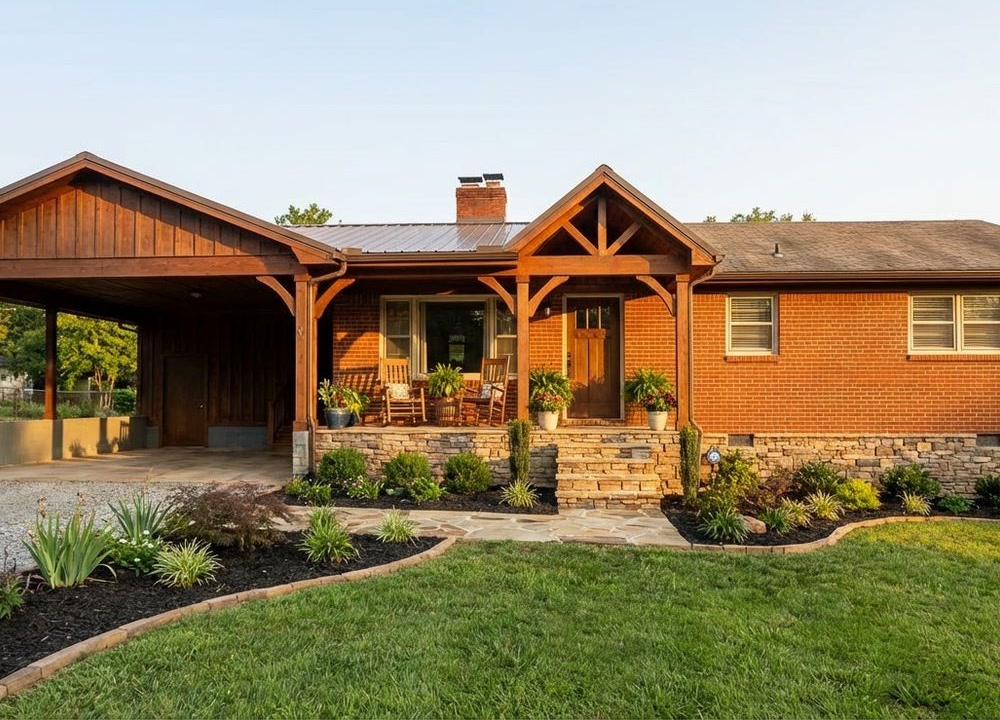
When searching for front porch ideas, it is easy to get distracted by hanging ferns, rocking chairs, and statement lighting. But before you buy a single piece of decor, you have to get the architecture right. A front porch is the structural handshake of your home. It dictates your curb appeal, manages how guests transition from the street to your front door, and determines whether your facade looks intentionally designed or awkwardly patched together.
The difference between a porch that elevates your home's value and one that looks like a tacked-on afterthought comes down to a few critical decisions: depth, scale, architectural harmony, and material durability. Whether you are pouring a new foundation to create an outdoor living room or looking for cosmetic upgrades to modernize an existing concrete stoop, this guide will help you choose the right structural and design approach for your exterior.
1. Determine Your Porch's True Purpose
The most expensive mistake homeowners make when planning a new porch is misunderstanding its function. You must decide early on if you are building an entry transition (a portico or stoop) or a dwelling space (a true seating porch). This single decision dictates your required footprint, roofline, and budget.
Many homeowners fall into what landscape architects call the "Bowling Alley Mistake." When trying to add a seating porch to a long, horizontal house like a brick ranch, they prioritize length over depth. They pour a concrete pad that runs the entire length of the facade but is only four feet deep.
A four-foot porch is a hallway, not a room. If you place a chair on it, your knees will hit the railing, and anyone trying to reach the front door will have to squeeze past you. For a porch to function comfortably as a seating area, you need a minimum depth of six to eight feet. If your budget or setback lines do not allow for that depth, it is always better to build a properly proportioned, deeper entry portico than a long, uselessly shallow veranda.
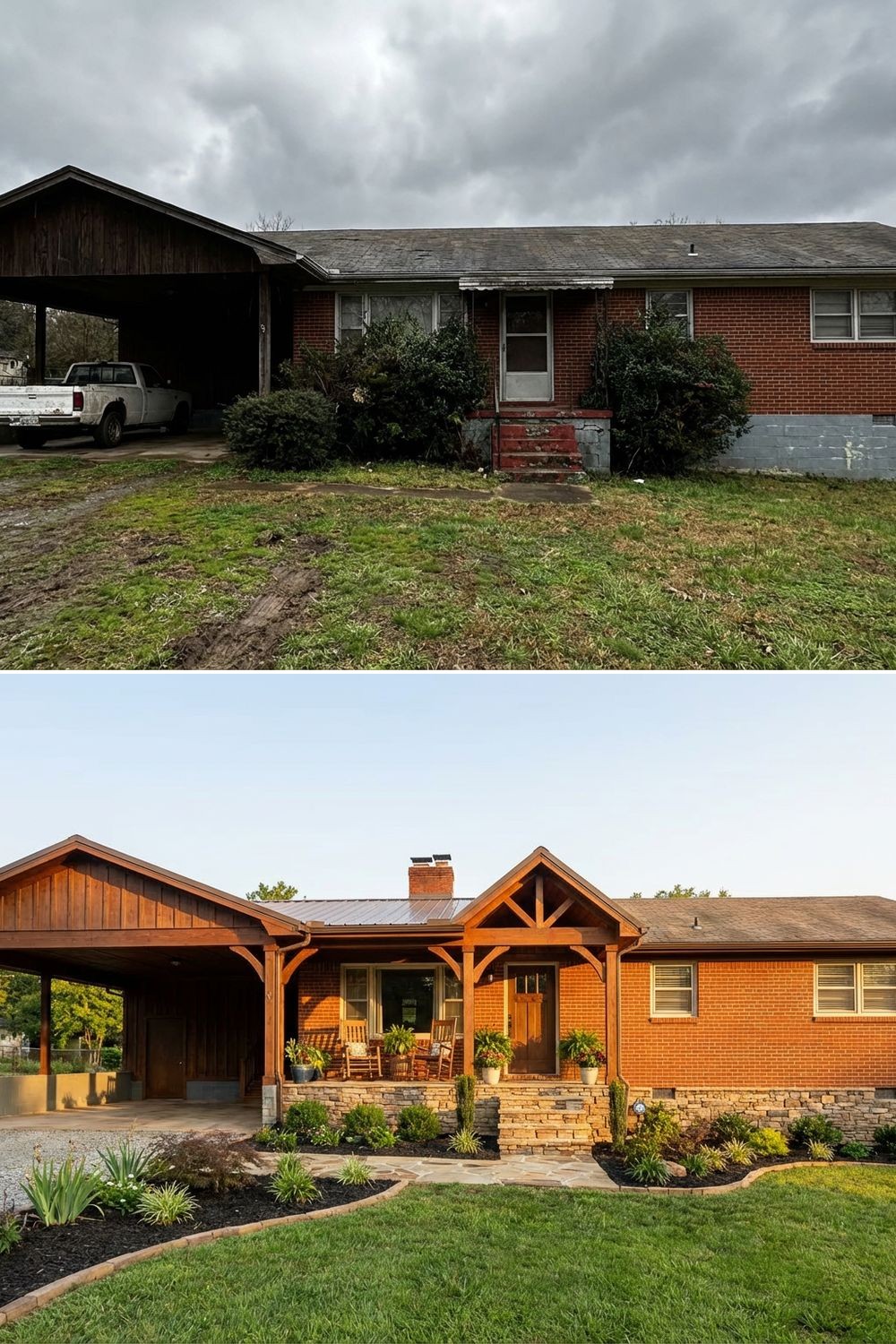
A long, shallow 4-foot porch acts like a hallway. To create a usable outdoor room, prioritize depth over length. Source: Adding a Front Porch to a Brick Ranch? Avoid the "Bowling Alley" Mistake.
Best for:
- Shallow Entry Porticos (4-5 feet deep): Homes with tight street setbacks, budgets focused strictly on curb appeal, or stoops that only need enough weather protection to keep guests dry while unlocking the door.
- Deep Seating Porches (6-8+ feet deep): Homeowners who want functional outdoor living space, have deep front yards, and are prepared for the structural costs of extending a roofline.
2. Getting the Scale and Proportion Right
Even the best front porch ideas will fail if the scale is wrong. A porch must visually balance the visual weight of the primary house facade. When a porch looks "tacked on," it is almost always suffering from a failure of proportion in either the roof gable or the columns.
Consider the roofline first. A tiny, shallow gable placed over a wide set of stairs or a heavy front door will look like a cheap afterthought. The porch roof pitch should ideally match or deliberately complement the primary roof pitch of the house. If the gable is too narrow, it fails to relate to the width of the entryway, making the entire front of the house feel pinched and awkward.
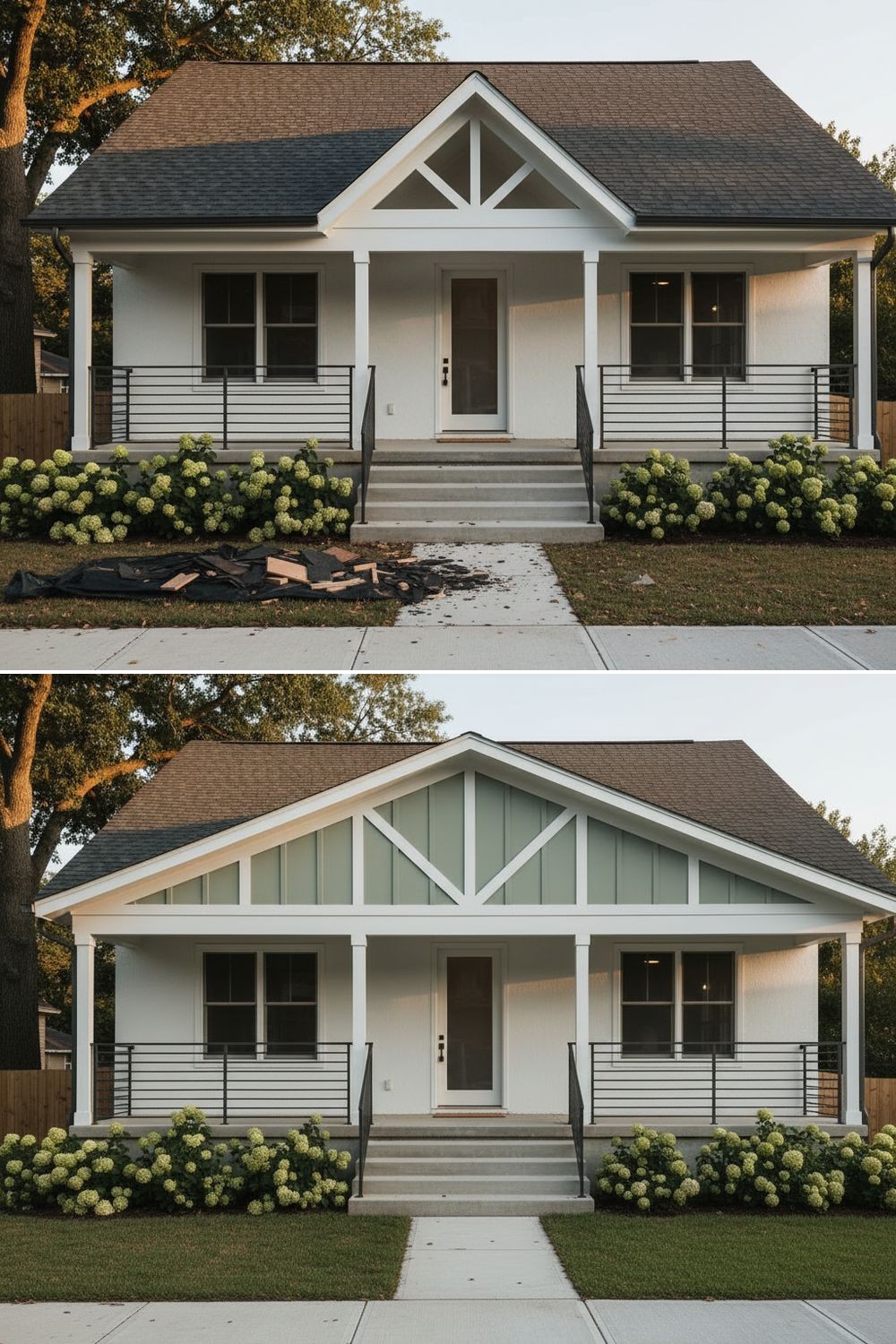
A tiny, tacked-on gable ruins curb appeal. The porch roof must be scaled to match the visual weight of the entryway. Source: Fixing an Awkward Porch Gable: Simple Updates for a Modern Cottage Front Entry.
Columns are the second most common proportion failure. Builders often install minimum-code 4x4 treated wood posts to hold up the porch roof. While structurally sufficient, these skinny posts look like toothpicks holding up a heavy canopy. Upgrading to robust columns—whether by wrapping existing posts in cedar or installing properly sized fiberglass columns—immediately grounds the porch and adds architectural legitimacy to the facade.
3. Matching Your Home's Architectural Style
A successful exterior makeover requires discipline. You cannot simply apply trendy porch elements to the wrong era of house without creating visual friction. Your porch should look like it was always meant to be there.
- Craftsman and Bungalow Cues: These homes demand visual weight at the base. Look for tapered square columns (often sitting on stone or brick piers), exposed rafter tails, and deep, low-pitched overhangs.
- Colonial and Traditional Cues: Symmetry is non-negotiable. Traditional facades benefit from round, fluted, or simple square columns with classic capital molding. Avoid heavy stone bases or rustic timbers here; keep the railings clean, painted, and formally structured.
- Modern and Contemporary Cues: Clean lines rule. Opt for flat or shed rooflines, minimalist metal or cable railings, and simple, unadorned square posts. Floating concrete steps or sleek wood decking complete the transition without adding unnecessary clutter.
Mixing these styles—like putting heavy, rustic Craftsman stone piers on a delicate, symmetrical Georgian Colonial—will severely damage your home's curb appeal.
4. High-Impact Cosmetic Upgrades for Existing Porches
If you already have a structurally sound porch but hate how it looks, you don't need to tear off the roof or pour a new foundation. Cosmetic upgrades can completely transform the space, provided you use the right materials.
The floor is usually the biggest eyesore. Many homeowners try to fix a stained, ugly concrete slab by painting it. This is a temporary illusion that leads directly to peeling and flaking. Concrete is a rigid sponge that wicks moisture up from the ground; when that moisture hits the impermeable plastic film of exterior paint, the paint bubbles and delaminates. Instead of painting, use a penetrating concrete stain, or resurface the slab with proper exterior-grade pavers or tile.
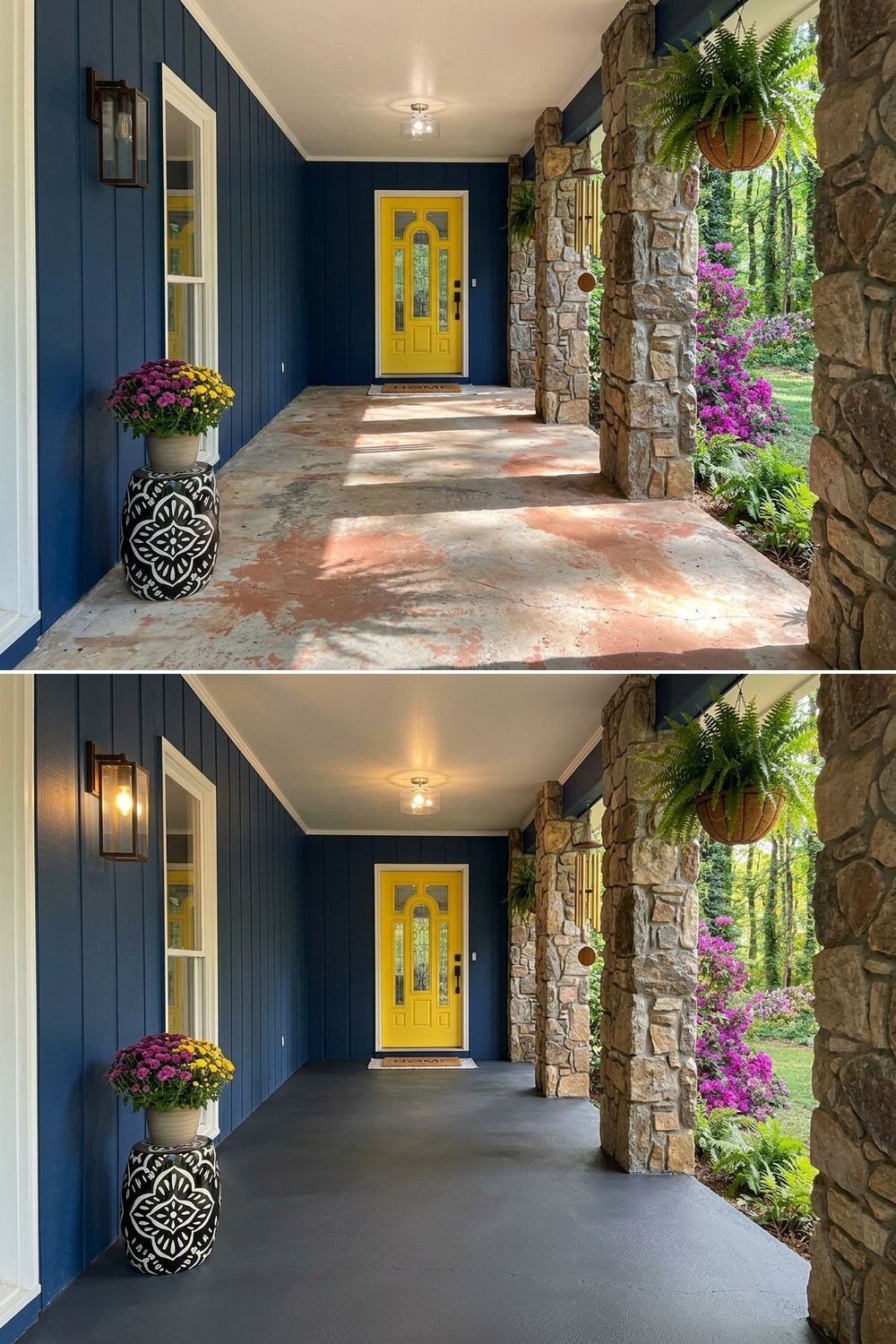
Painting an exterior concrete slab traps ground moisture, leading inevitably to peeling and flaking. Use penetrating stains or exterior pavers instead. Source: Stop Painting Your Concrete Porch: How to Upgrade an Entryway Slab the Right Way.
Be cautious with social media trends when resurfacing. Using "thin brick" veneers on a porch floor is a common trap. Those half-inch veneers are designed for static, vertical walls (like backsplashes), not the dynamic shear forces of foot traffic and freezing weather. If you want a brick floor, use full-thickness exterior brick pavers.
Quick Cosmetic Wins:
- Wrap the columns: Encase skinny 4x4 posts in PVC or cedar boards to give them a substantial 8x8 or 10x10 visual presence.
- Update the ceiling: Install beadboard or tongue-and-groove wood paneling over exposed plywood ceilings, finished with a statement pendant light.
- Modernize the railings: Swap out cheap, builder-grade metal spindles for modern cable rail, sleek aluminum, or freshly painted wood balusters.
5. Connecting the Porch to Your Landscape
A porch should never look like it is floating above the yard. The surrounding landscape is what anchors the structure to the ground and creates a welcoming, logical approach from the street.
Without foundation planting, a porch suffers from "Floating Facade Syndrome." The hard, rigid lines of the concrete base or wooden lattice clash awkwardly with the bare dirt or lawn below. Layered foundation plantings—using evergreen shrubs at the back and softer perennials in the front—soften this transition and make the porch feel deeply rooted in the property.
Strategic landscaping also solves functional porch problems. If your porch is constantly blasted by sideways rain or afternoon sun, do not immediately resort to hanging ugly plastic roll-down shades. Instead, use structural planting. A well-placed ornamental tree or a buffer of tall evergreen shrubs can act as a natural windbreak and privacy screen, protecting your seating area from the elements while enhancing the neighborhood view.
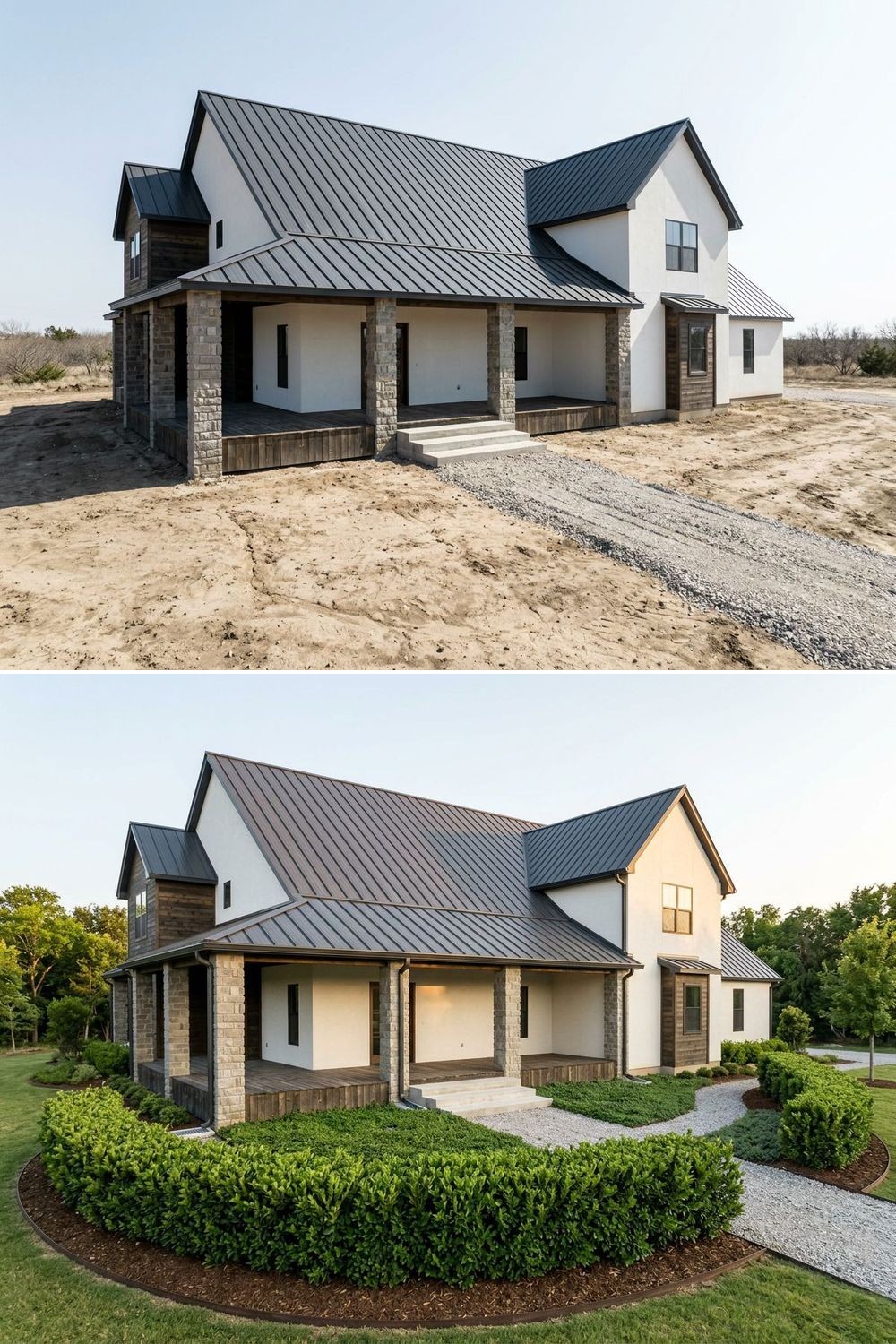
Layered foundation plantings not only anchor the porch to the yard but can act as a natural windbreak against driving rain. Source: Why Rain is Destroying Your Front Porch (And How to Fix It Without Ugly Blinds).
Test Your Front Porch Ideas Before You Build
Choosing the right column thickness, roof pitch, and material palette can feel overwhelming, especially when a single mistake can throw off your home's entire curb appeal. Once you know the porch direction that fits your house, test it on your actual exterior before committing to materials or construction. Test the right porch direction on your house photo to see exactly how different structural styles, column wraps, and paint colors will look on your unique facade.