Concept view
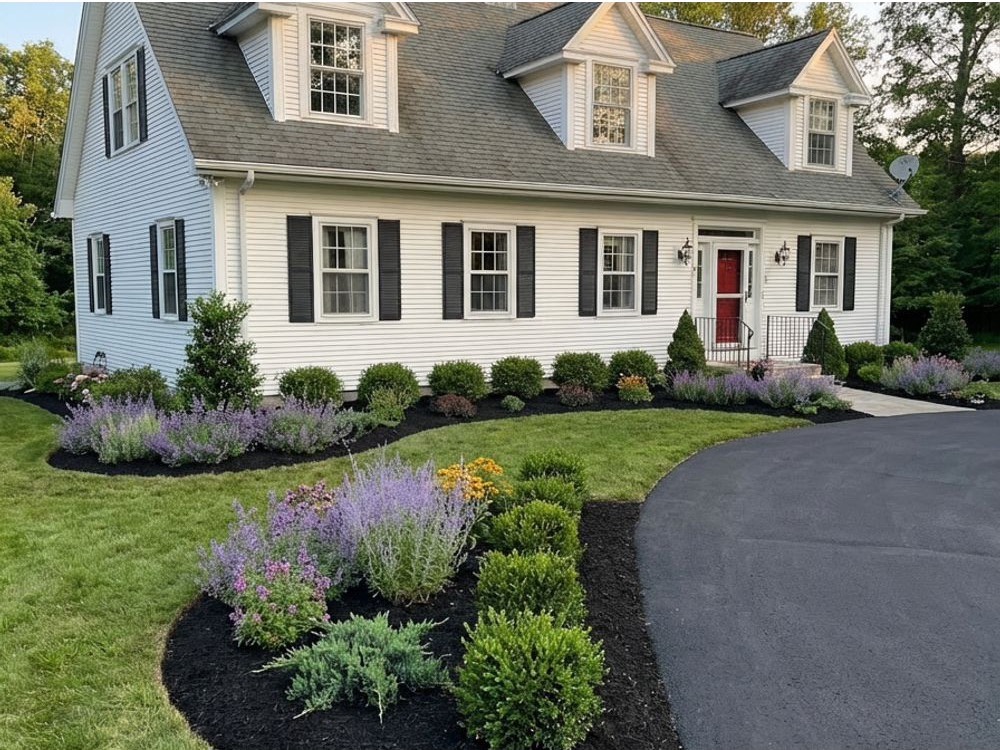
Cape Cod Reform
Architectural Layering
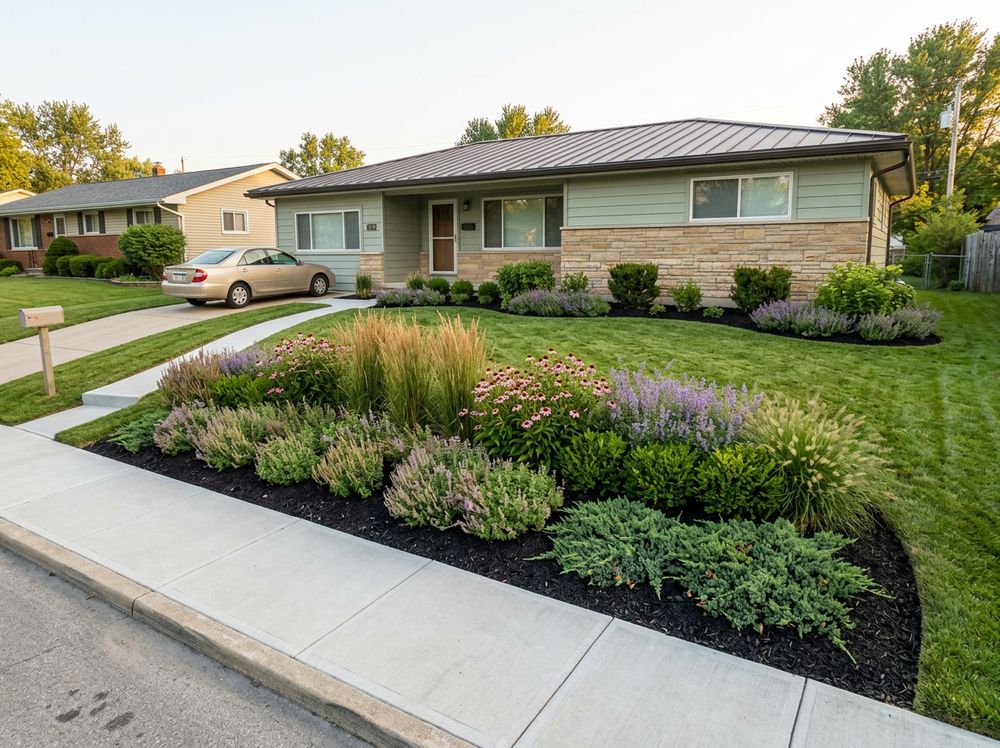
Stop the 'polka-dot' planting. Use tiered heights and repeated forms to unify a facade that previously looked disconnected and cluttered.
Visualize front yard design ideas on your actual property. Compare sweeping bed shapes, stronger planting masses, cleaner path lines, and better front-yard structure before you lock in the layout.
GardenDream helps you test where the lawn should stop, where the beds should swell, and how the front yard should support the house.
Use a photo that shows the front lawn, the walk, and the part of the facade the planting needs to support.
Tell GardenDream whether the front feels too empty, too dotted, too lawn-heavy, or too flat at the foundation.
See realistic front-yard concepts built around your actual path lines, bed edges, and facade proportions.
Adjust the lawn-to-bed balance, planting mass, and path geometry before you break ground.
The strongest front yards feel designed because the planting reads in clear masses instead of little dots.
Stop the 'polka-dot' planting. Use tiered heights and repeated forms to unify a facade that previously looked disconnected and cluttered.
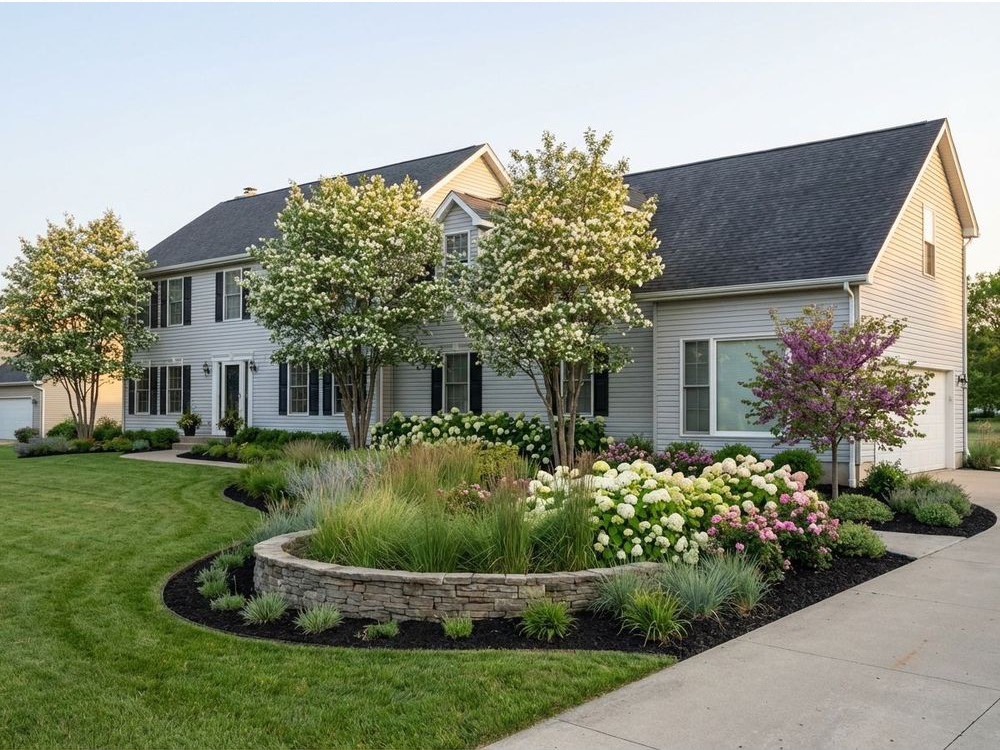
Avoid the 'motel breezeway' effect. Create a definitive landing hierarchy and entry-focused beds that ground the building to the landscape.
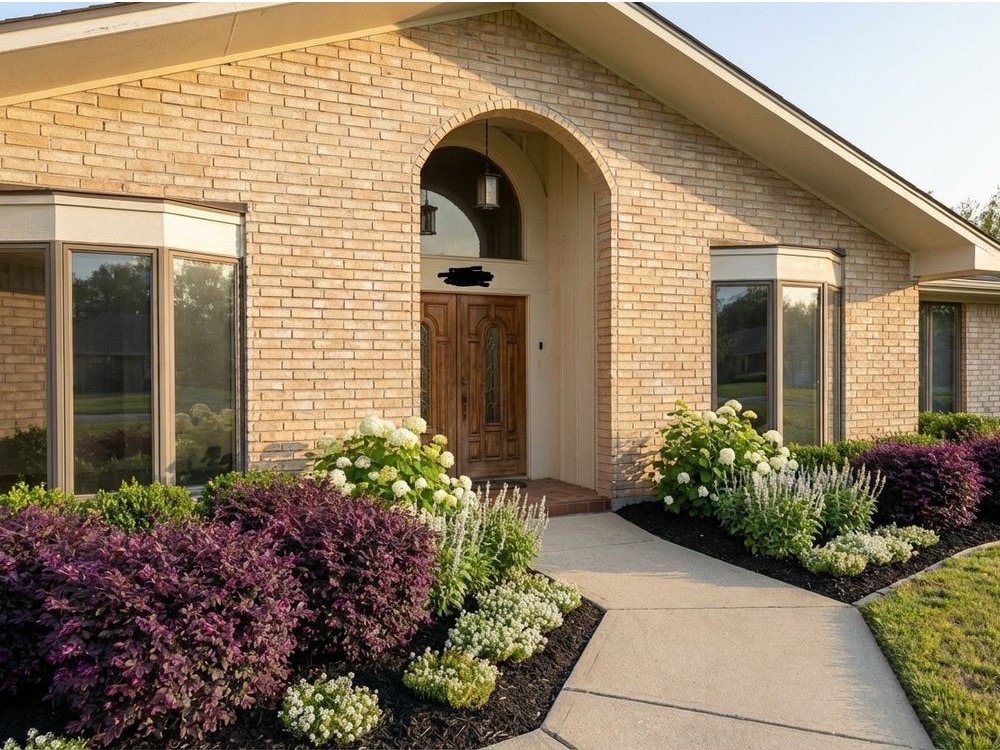
Modernize dated masonry by clearing away sheared foundation shrubs. Reveal the facade and add airy, architectural planting to make the house feel premium.
A front yard starts to look expensive when the lawn edge and the planting edge make sense together.
Testing bigger masses and cleaner curves on the real property is much easier than guessing from a nursery cart.
The front yard should support the facade, not compete with it or sit blankly in front of it.
Some houses need deeper beds, some need stronger curb-edge planting, and some just need fewer disconnected moves.
Many front yards feel weak because the planting is too thin, too dotted, or too apologetic. GardenDream helps you test stronger bed shapes and planting masses so the front reads clearly from the street.
See how much depth the base of the house really needs.
Compare how one planted foreground changes the street view.
Test how the route to the front door can feel calmer and more intentional.
Use one strong focal move instead of a scattered collection of isolated plants.
Front-yard balance, driveway softening, and entry hierarchy that improve curb appeal.
Useful when the entry itself feels too small or too rushed even if the planting improves.
A broader guide to proportion, facade weight, and the front-of-house reads that make homes feel off.
A front yard design app helps you upload a photo of the front of your property and test planting, path, and bed-layout ideas before making permanent changes.
Yes. GardenDream can help you compare front-yard directions on your real house so you can judge layout, circulation, and planting mass before spending money.
Yes. Those are some of the strongest use cases because bed depth and shape are hard to judge from imagination alone.
Yes. The front walk, lawn edge, and focal tree often need to be tested together because they change the same street view.
No. You start with a photo and compare visual directions, which is enough to narrow the right layout quickly.