Before + After
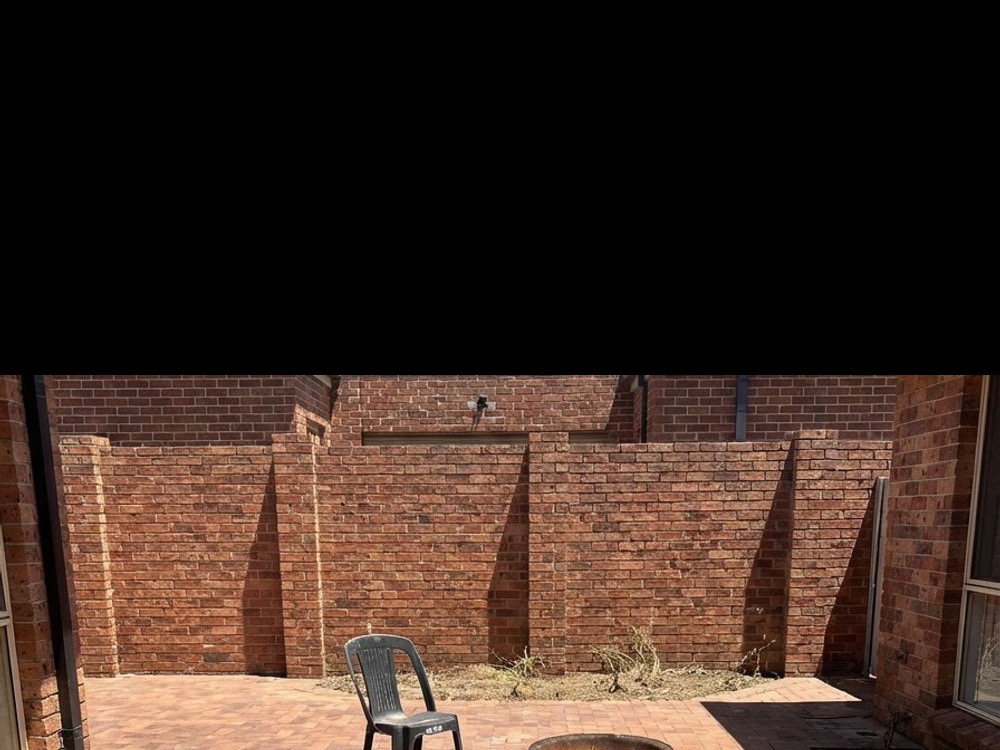
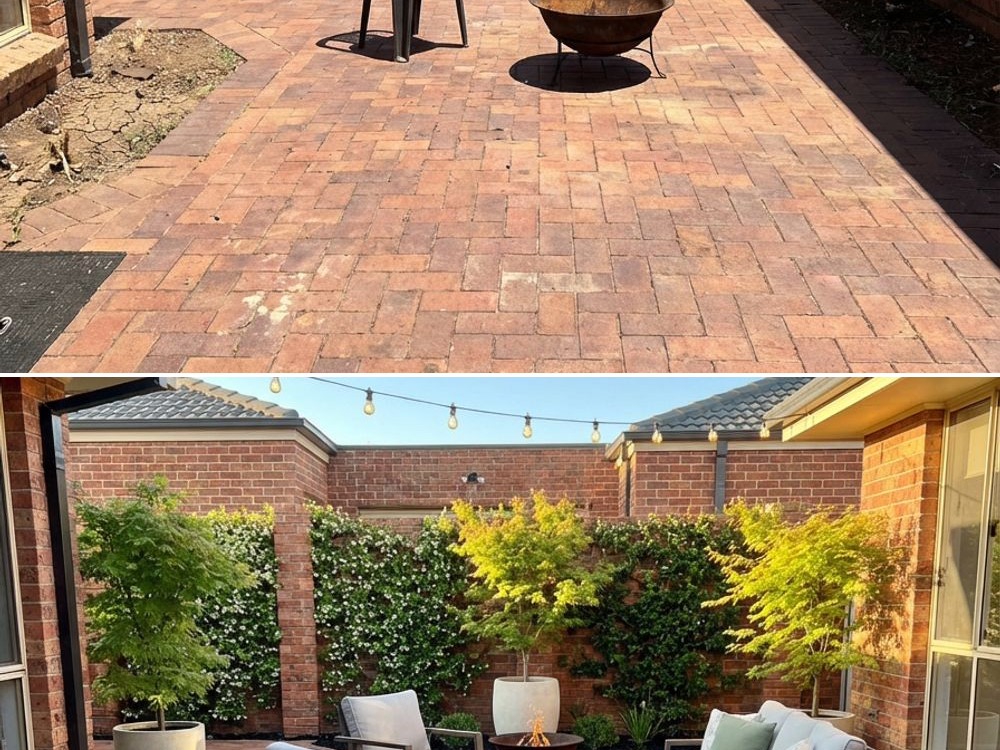
Masonry Sanctuary
The Brick Prison Fix
Break the 'enclosure panic' of a masonry-heavy backyard. Use architectural layering and vertical texture to make a tiny courtyard feel lush and spacious.
Small spaces require precise geometry, not just smaller plants. Upload a photo and redraw your yard with structural zones that make a tiny lot feel like a sanctuary instead of a box.
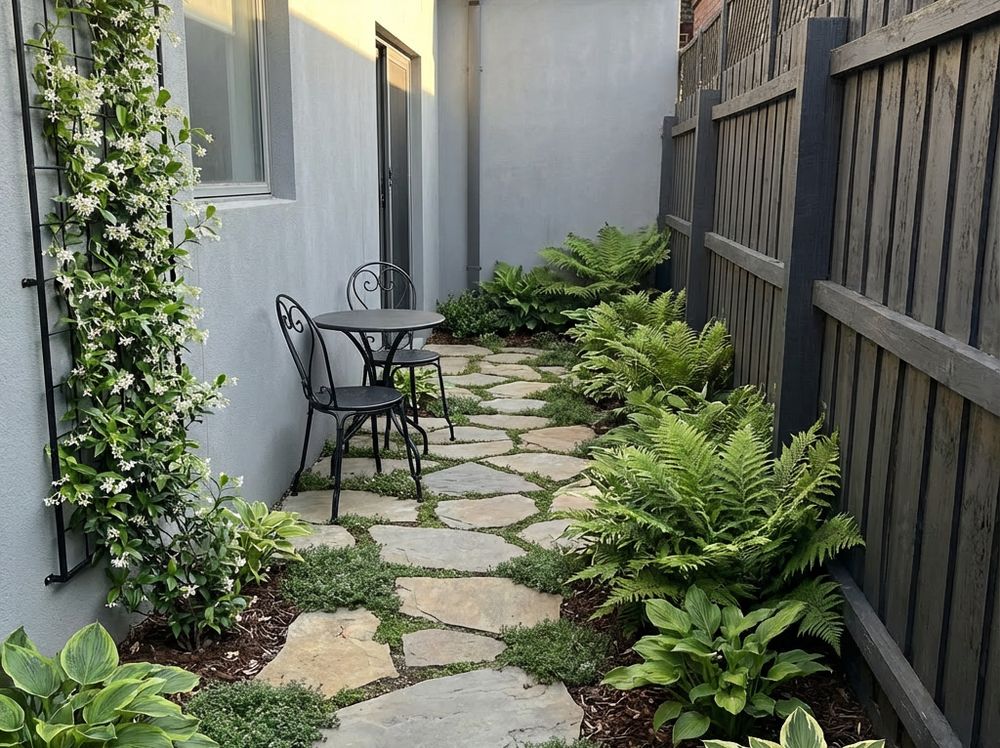
GardenDream helps you test whether your small yard needs to be a lush courtyard, a zoned lounge, or a clean masonry sanctuary before you buy the wrong furniture or plants.
Take a photo that shows the enclosure—the fences, walls, or neighbor sightlines that make the space feel small.
Tell GardenDream if the space feels boxy, exposed, or like a 'leftover' passage that currently does nothing.
See realistic concepts that respect the narrow width and use vertical layering to reclaim the vertical space.
Refine the proportion of the hardscape to the planting before you commit to materials that will crowd the site.
Small backyards usually improve by doing fewer things more clearly, not by squeezing in more features.
Break the 'enclosure panic' of a masonry-heavy backyard. Use architectural layering and vertical texture to make a tiny courtyard feel lush and spacious.
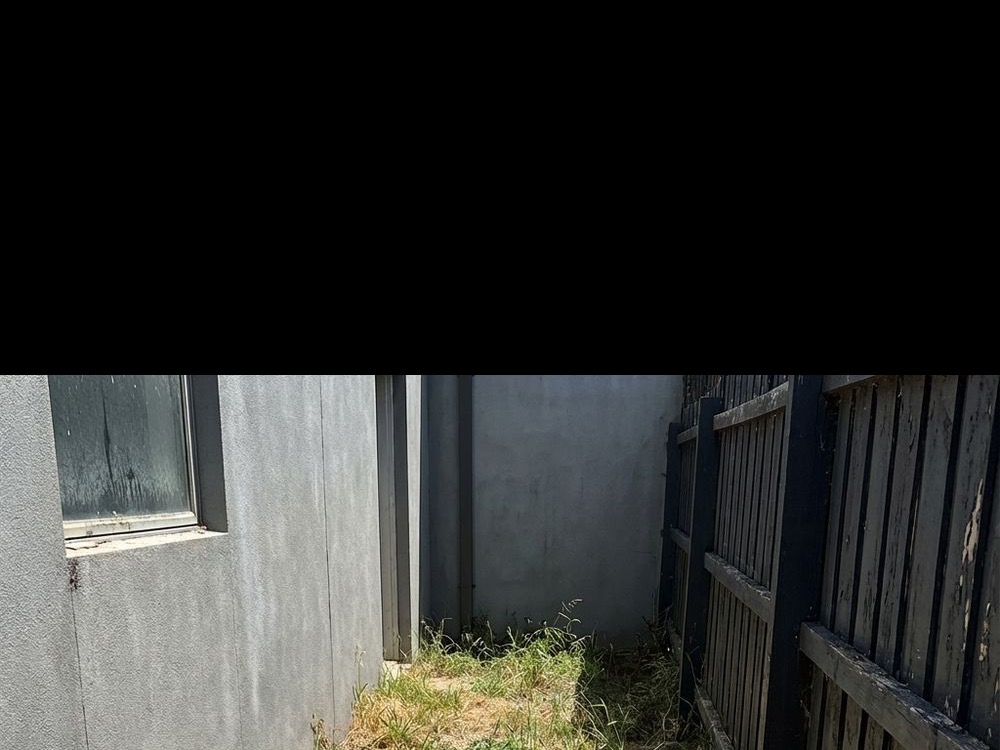
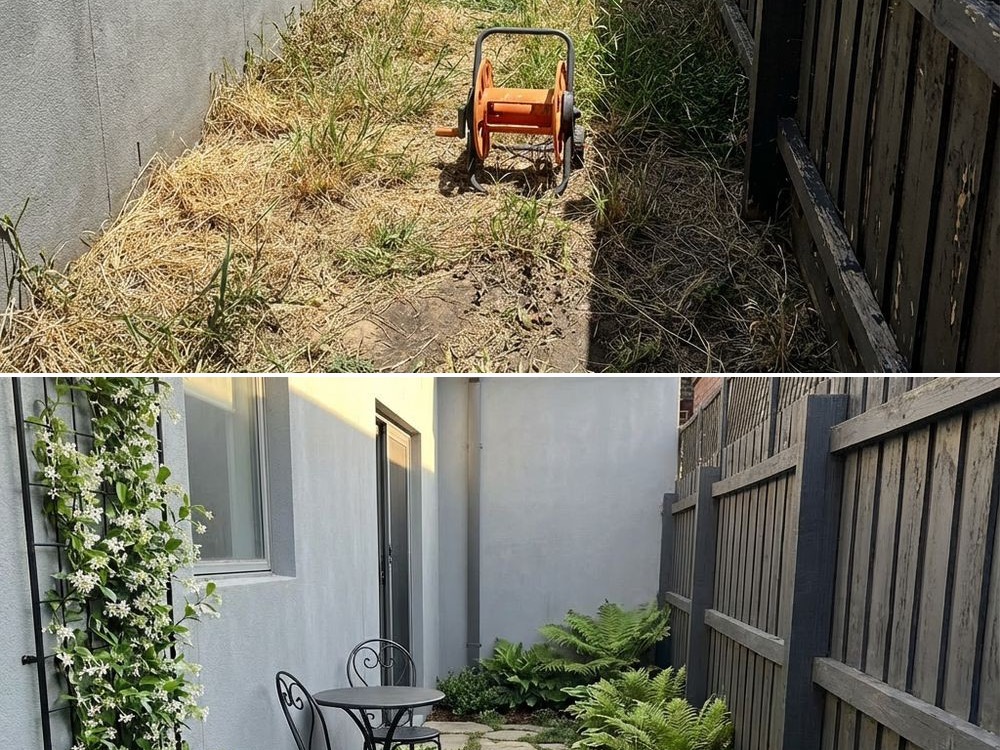
Stop trying to maintain 'scraps' of grass in shaded courtyards. Replace failing turf with a cohesive, low-maintenance courtyard design.
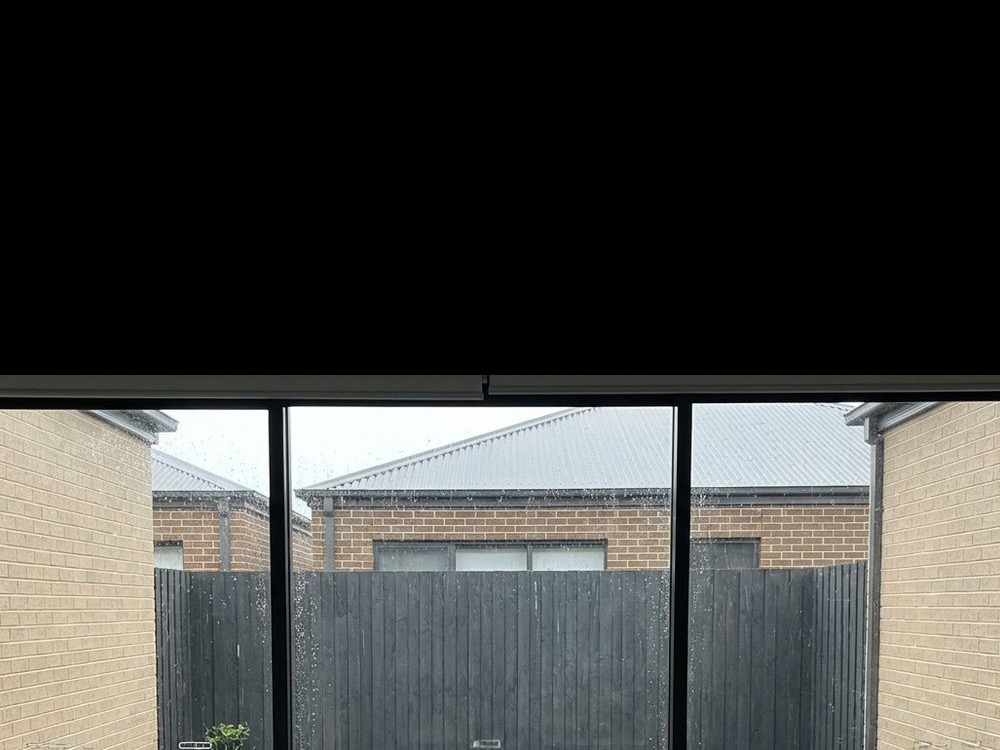
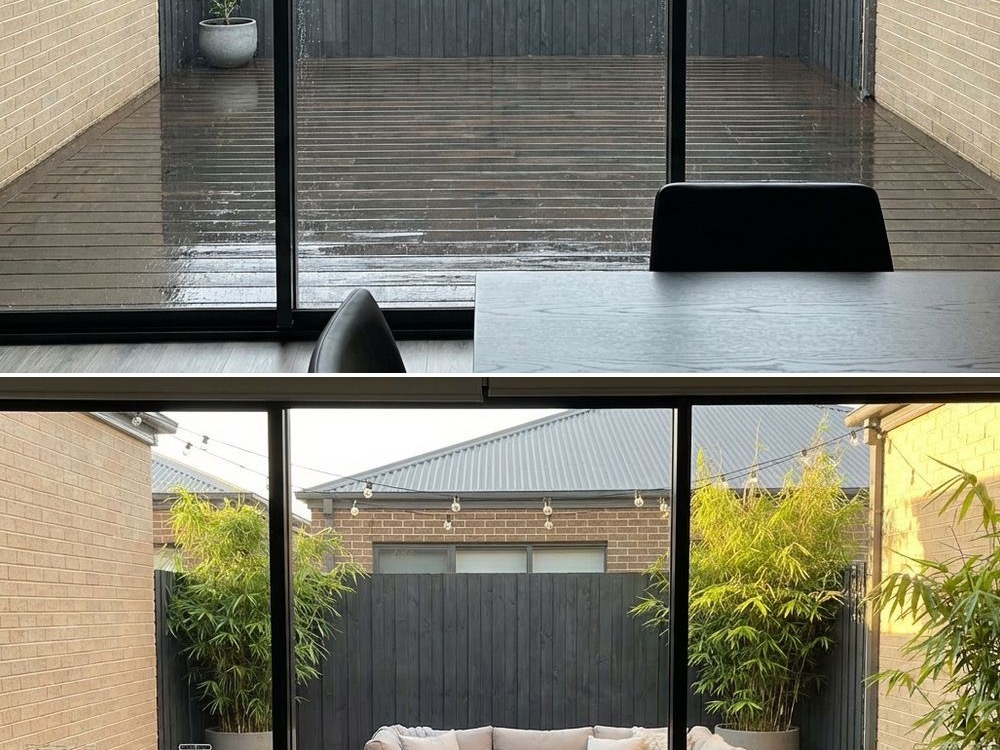
Redraw the geometry of a sterile box backyard. Use zoned seating and architectural planting to turn a leftover lawn into a sanctuary.
The biggest upgrade in a small space often comes from removing the wrong use case, not adding another one.
A patio or bed that seems modest on paper can crowd a small yard immediately once you see it in place.
Small yards improve fastest when one strong idea replaces a lot of leftover fragments.
Testing the layout first helps every square foot earn its place.
Small yards look bigger when the layout is calmer. GardenDream helps you test compact patios, clearer circulation, and cleaner edges so the space feels like one resolved room instead of several awkward leftovers.
See how a tiny yard can become a real outdoor room instead of an empty box.
Test how much hardscape the space can hold without swallowing the whole yard.
Compare whether the yard works better as a room, a planted court, or a smaller patch of turf.
Use one clear destination to reclaim parts of the yard that currently do nothing well.
Compact layouts, no-lawn options, and one clear destination for a tighter backyard.
Patio size, material, and placement ideas for backyards with very little margin for error.
Privacy ideas for small yards that need screening without losing usable space.
A small backyard design app helps you upload a photo of a compact yard and test patio, courtyard, planting, and layout ideas before you make permanent changes.
Yes. GardenDream can help you compare small-yard directions on your actual space so you can judge scale and circulation before spending money.
Yes. Courtyards are a strong use case because small spaces depend so heavily on getting the layout right.
Yes. Small yards often work better with less lawn, and the tool can help you compare those options on the real space.
No. You start with a photo and compare visual options, which is especially helpful in spaces where mistakes are hard to hide.