Backyard Patio Ideas
A patio should not feel like a hard square dropped into the yard because somebody needed a place to set furniture. The best backyard patio ideas shape how the yard works: where people gather, how the house opens outward, where planting softens the edge, and how circulation moves around the space.
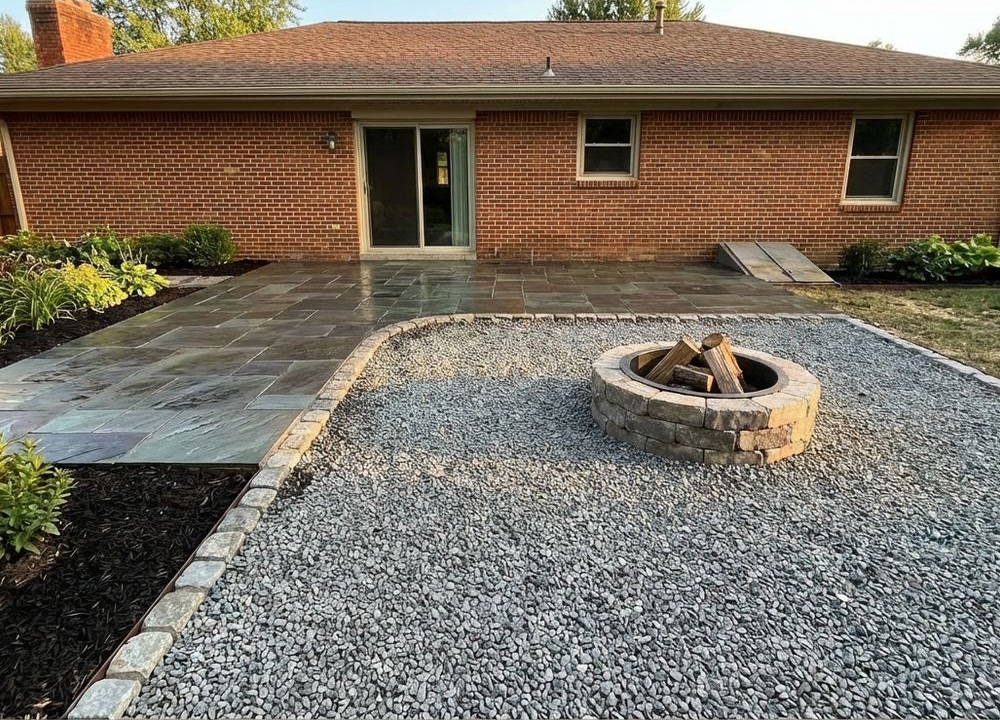
A patio should not feel like a hard square dropped into the yard because somebody needed a place to set furniture. The best backyard patio ideas shape how the yard works: where people gather, how the house opens outward, where planting softens the edge, and how circulation moves around the space.
Good patios solve layout first and materials second.
What a Backyard Patio Needs to Do
Before you choose pavers, gravel, or stone, decide what the patio is for.
- everyday outdoor dining
- lounge space close to the house
- transition zone between house and garden
- destination at the back of the yard
If the use is fuzzy, the patio usually ends up undersized, awkwardly placed, or isolated from the rest of the yard.
The Best Backyard Patio Ideas by Layout
1. Anchor the Patio to the House
A patio works best when it feels tied to the doors, windows, and movement pattern of the house. Floating it randomly in the lawn often makes the whole yard feel disconnected.
Near-house patios are especially strong when:
- the yard is small
- the grade change is manageable
- outdoor dining is the main goal
2. Push the Patio Into a Zone
Not every patio has to sit directly behind the door. In some yards, the smarter move is to place it where the site already offers advantage:
- a corner with better privacy
- the flattest part of the yard
- a spot that avoids tree-root conflict
- a location that helps divide a long backyard into usable rooms
3. Let Planting Finish the Edge
Patios feel harsh when the boundary is unresolved. A clean patio needs a soft edge, but not in a way that traps mud or crowds the paving.
The best edge conditions usually involve:
- enough planting depth to matter
- a clear material transition
- one or two planted sides, not random pots scattered everywhere
4. Size the Patio for Real Use
Tiny patios are one of the most common design failures. If the patio barely fits a table or chairs, it will always feel like a compromise.
When in doubt, size for circulation:
- pull out a chair
- walk behind it
- open the door without stepping straight into furniture
Backyard Patio Ideas by Material Direction
Flagstone or Irregular Stone
Works well when you want the patio to feel softer, more garden-connected, and less suburban-builder-grade. It needs clean base work and deliberate jointing to look intentional instead of messy.
Pavers
Best when you want stronger geometry, cleaner edges, and easier repetition with walks or steps. Good for modern, classic, or formal layouts if the pattern and border are handled well.
Gravel Extensions
Useful when you need a budget-conscious transition, a fire pit zone, or a way to extend a damaged patio without full demolition. Gravel only works when the edge and base are thought through.
What Usually Makes a Patio Feel Wrong
- patio too small for the furniture it needs to hold
- patio floating in the yard with no visual connection to the house
- wrong material for the style of the house
- planting jammed tight against the paving edge
- focusing on pavers first and layout second
More Yard Examples
- Small Patio Mistakes: Skip the Excavator and the Loose Decomposed Granite
- Don't Demo That Broken Patio: How to Fix It With a Gravel Extension
- Don't Use Stone Dust: How to Reset an Old Flagstone Patio the Right Way
- Missing Sand at Your Paver Edges? Why Your Contractor Is Wrong and How to Fix It
- New Pavers Look Sloppy? Why You Aren't Being Nitpicky (And How to Fix It)
Related pages:
Try Patio Shapes and Materials on Your Own Yard
Patio decisions get expensive because material samples do not show you scale. A paving choice that looked beautiful in isolation can feel too busy, too hot, too tight, or too formal once it is mapped onto the actual backyard.
If the patio is part of a broader yard makeover, use the backyard design app to compare patio placement, planting edges, lawn shape, and seating zones together before you price the build.
Use AI Landscape Design to test patio size, edge planting, paving style, gravel extensions, and seating layouts on your own space before you build.